


Product Details
J. PURDEY & SONS
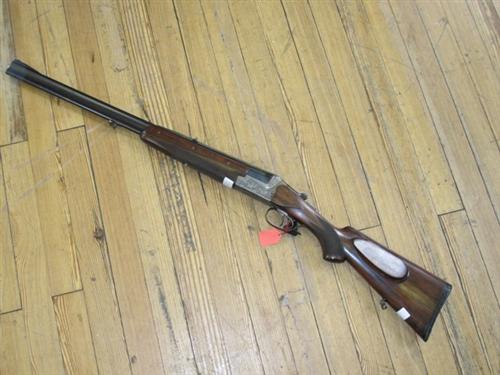
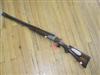
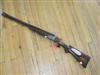
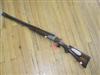
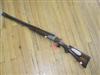
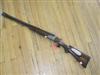
A FINE .30 PURDEY NITRO EXPRESS SELF-OPENING SIDELOCK EJECTOR DOUBLE RIFLE, serial no. 25037,
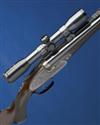
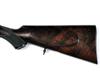
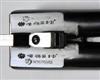
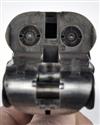
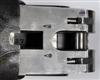
25in. nitro chopperlump barrels with matt sight rib, open sights and folding leaf sights for 100, 200 and 300 yards, ramp-mounted bead foresight, concave rib engraved 'J. PURDEY & SONS, AUDLEY HOUSE, SOUTH AUDLEY STREET, LONDON, ENGLAND.', the breech end mounted with a Swarovski Habicht 4 telescopic sight in quickly-detachable mounts, bolstered treble-grip action with side-clips, removable striker discs, bolted automatic safety with gold-inlaid 'SAFE' and 'BOLTED' details, cocking-indicators, best fine bouquet and scroll engraving, retaining much original colour-hardening and finish, 14 5/8in. highly-figured pistolgrip stock with cheekpiece, finely engraved steel pistolgrip-cap, sling swivels, weight 9lb. 7oz., in a brass-cornered oak and leather case with some accessories. We are kindly informed by the makers that this rifle was completed November 1937 for H.H. The Maharaja of Patiala.
Provenance: His Highness Maharaja Bhupinder Singh of Patiala was born at Moti Bagh Palace on 12th October 1891 into a noble family ruling the princely 17 gun salute state of Patiala.
He was educated at Aitchison College, Lahore and was just nine years of age when he succeeded to the title of Maharaja of Patiala following the death of his father, Maharaja Rajinder Singh in November 1900. A Council of Regency was empowered in his name and it was not until November 1910 that he assumed full power following a ceremony of investiture by the 4th Earl of Minto, Viceroy of India.
During the Great War he served with the General Staff in several theatres of war; France, Belgium, Palestine and Italy and by the end of hostilities had risen to the rank of Honorary Major-General although he was later to be promoted to an Honorary Lieutenant-General in 1931. He was also to represent India at the 1925 League of Nations.
A popular and lascivious socialite, Bhupinder Singh also undertook the construction of many architecturally fine buildings in his region, and one of these housed his impressive collection of coins said to be the largest in existence at the time. He was also a keen and highly proficient hunter (as were many of his noble peers), as well as an avid cricketer. He had his own Patiala XI, one of the finest in India and he captained India's non-test visit to England in 1911. His proficiency is clearly demonstrated by the fact that between 1915 and 1937 he played in 27 first-class matches.
He died at the young age of 46 on 23rd March 1938. He had proved to be a popular and just ruler and had carried out many social reforms during his time as Chancellor of the Chamber of Princes. He was succeeded by his son, Maharaja Yadavindra Singh who also proved to be a popular social reformer being the first Maharaja to agree to the inclusion of their region into the newly independent India in May 1948.
Estimate £40,000-60,000